This website stores cookies on your computer. These cookies are used to collect information about how you interact with our website and allow us to remember you. To find out more about the cookies we use, see our Privacy policy and Cookie Policy.

Choices about cookies

You can choose which analytical, functionality and targeting cookies we can set by clicking on the button(s):

You can also choose to "Reject All" non-essential cookies by clicking the button below. However, if you use your browser settings to block all cookies (including essential cookies) you may not be able to access all or parts of our website.
Except for essential cookies, all cookies will expire after 12 months.
If you have any questions or concerns about our use of cookies, please send us an email at info@dynarisk.com.


The Revolut case: how a fake legal order led to a data disclosure
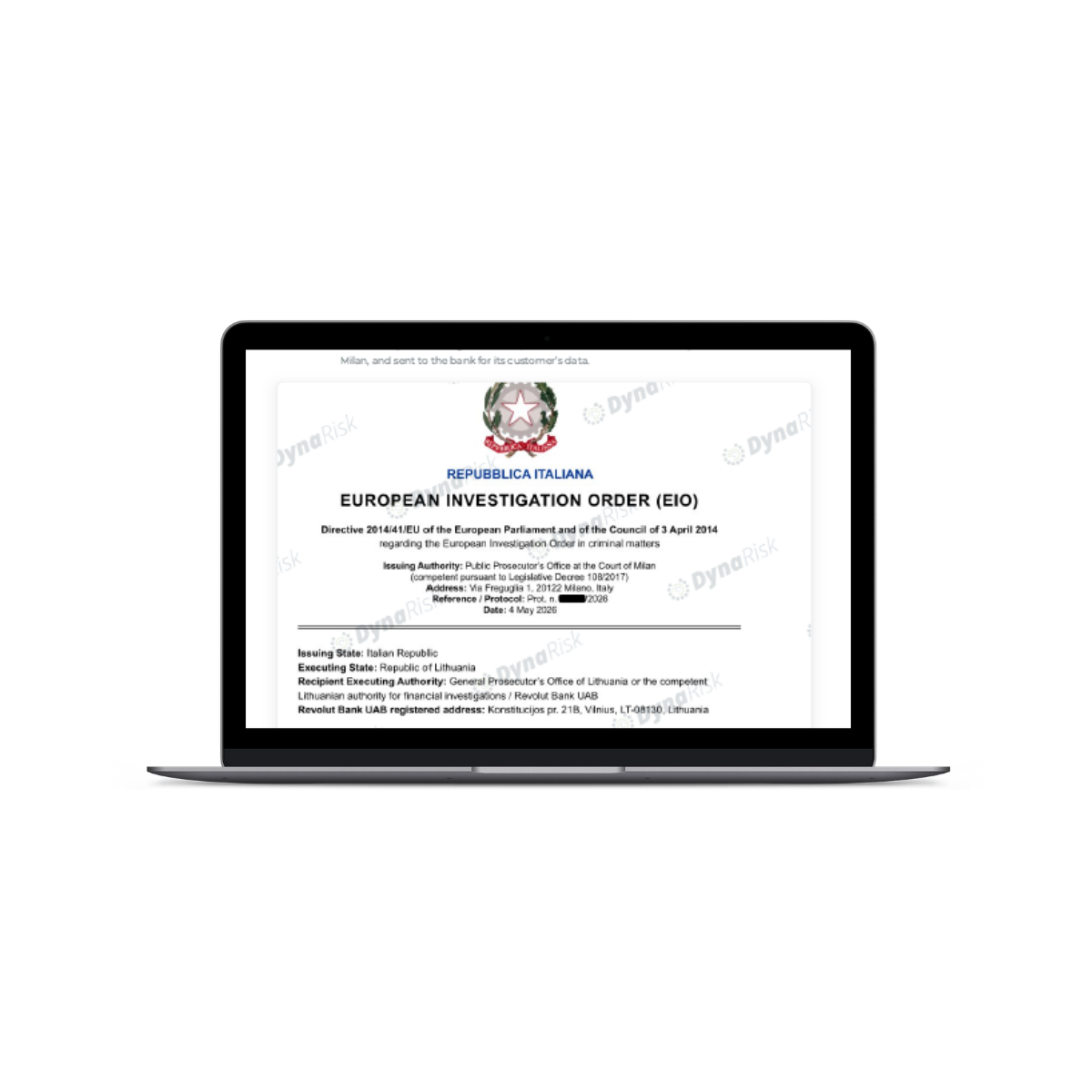
A convincing legal request can bypass more than technical defences. This briefing examines how attackers used a forged European Investigation Order and an official email channel to obtain customer data, before making an extortion demand. See what the case means for cyber insurance and the businesses that handle sensitive information.

What you'll learn

  • How the forged request was presented and why the official communication channel mattered.
  • How stolen government credentials and criminal marketplaces can support this type of attack.
  • Why fraud, data exposure and extortion risks extend beyond a company's own IT systems.
  • Practical questions brokers, MGAs and insurers can use to start better risk conversations with clients.
DynaRisk fake European Investigation Order threat briefing displayed on a laptop

READ MORE FROM OUR BLOG

Get the latest updates on cyber news, threats and tips to protect yourself, your business and your customers.